August 8, 2026
China’s Grid Modernization Accelerates
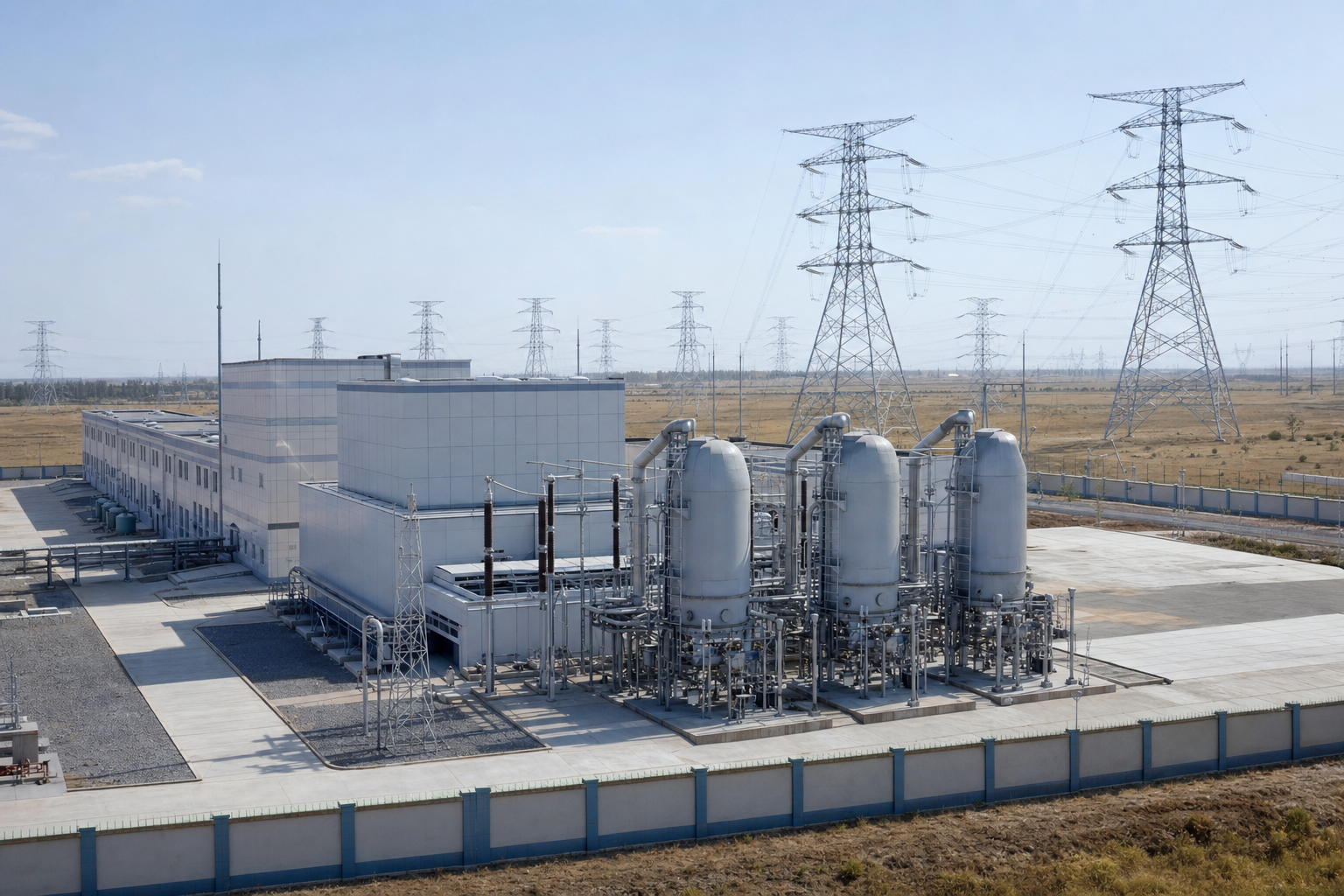
China is moving to incorporate quantum technologies into its power-grid modernization drive, aiming to manage rising system complexity as electricity demand grows and supply becomes more variable. The buildout of intermittent generation and the rapid expansion of energy‑intensive data centers have increased the challenge of balancing inflows and outflows across large networks in real time. That is pushing operators to expand capacity and enhance coordination capabilities at an unprecedented scale.
The modernization agenda centers on making the grid smarter and more resilient with advanced technologies, equipment, and controls that can communicate quickly and reliably across the system. This includes upgrades from the substation level through transmission backbones to distribution endpoints, with a focus on faster situational awareness, improved contingency handling, and tighter integration of variable resources. Quantum technologies are being explored within that toolkit as China seeks to strengthen grid stability and efficiency under heavier and more dynamic loading conditions.
Rising Load, Higher Variability
Two forces are advancing simultaneously: demand from hyperscale computing and AI workloads, and a supply mix with a larger share of weather‑dependent generation. Together they are increasing the frequency and magnitude of short‑term imbalances that must be resolved without compromising reliability. To keep pace, planners are prioritizing digital controls, low‑latency communications, and system‑wide coordination so that generation, storage, and flexible loads can respond more precisely to changing conditions.
Against this backdrop, quantum‑enabled approaches are being evaluated for potential gains in optimization and secure, high‑integrity signaling across critical nodes. While deployment pathways are still evolving, the direction of travel is clear: grid operators require tools that can process more data, faster, with higher confidence, as networks grow in size and complexity. The scale of upgrades envisioned spans new hardware, software, and operating practices, and implies long lead times for planning and execution.
Global Context And Implications
The challenges driving China’s push are visible across major power systems worldwide. Electrification, renewables integration, and data‑center growth are converging, lifting baseline demand and amplifying volatility. Meeting these conditions will require sustained investment in network capacity and control infrastructure, with an emphasis on technologies that improve visibility, coordination, and fault tolerance.
For market participants, the signal is a multiyear cycle of grid enhancement focused on resilience and real‑time management. As these projects advance, they intersect with broader questions of supply chain readiness, capital allocation, and the cadence of connecting new load and generation. In periods of large-scale infrastructure transition, some investors also reassess allocations to tangible stores of value, including allocated physical precious metals, as part of diversified holdings.