October 23, 2026

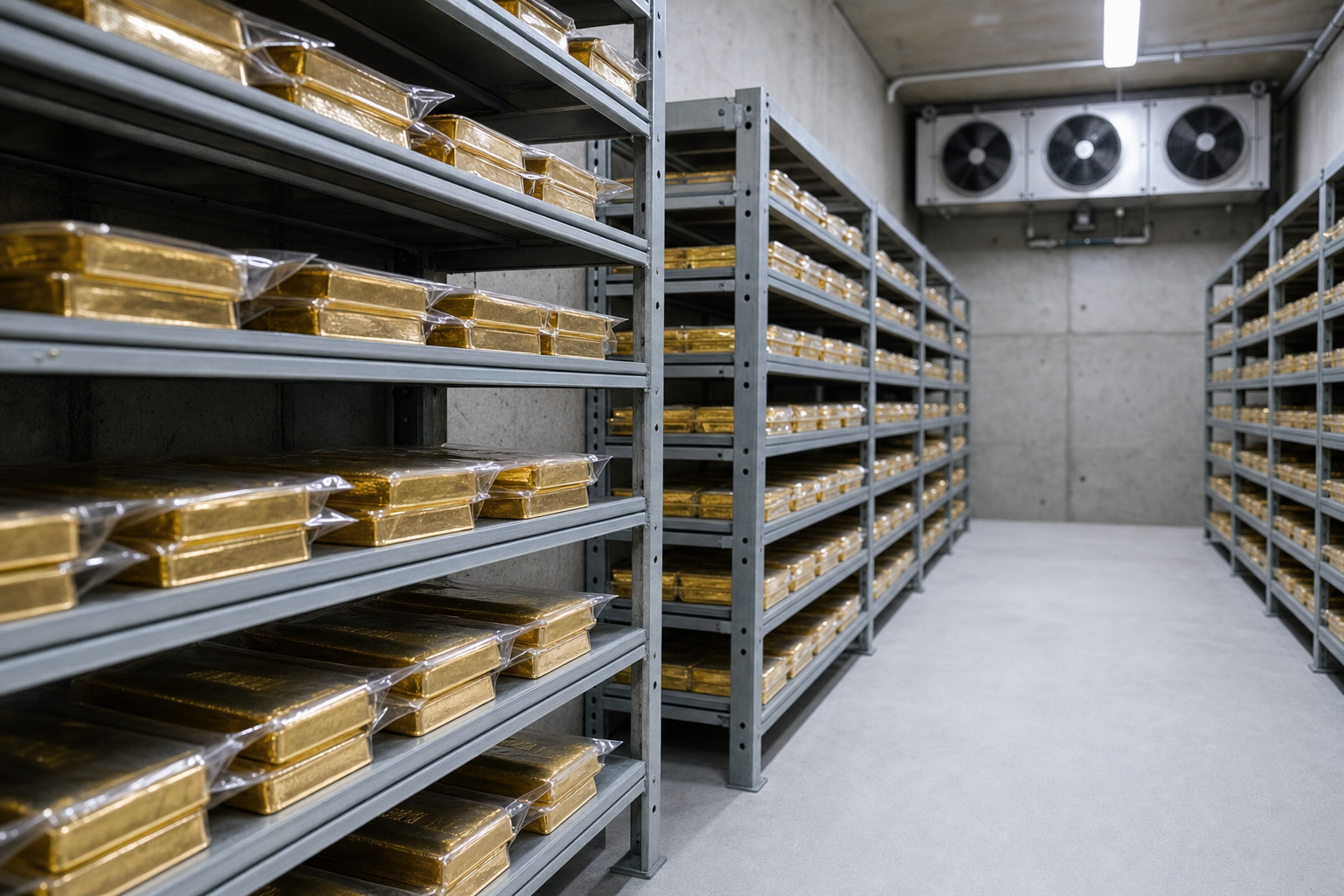
Central banks have accelerated bullion purchases, with China extending its declared gold holdings. The renewed pace of official-sector demand underscores gold’s function as a neutral reserve asset and a long-horizon diversifier within national balance sheets.
Official-Sector Demand Builds
Reserve managers typically transact in the over-the-counter market in large bars and over extended timeframes, smoothing execution to limit market impact. The latest buying wave points to continued preference for physical allocation within foreign-exchange portfolios, with China’s additions setting the tone. While disclosure practices vary by jurisdiction, the direction of travel is clear: a broadening group of monetary authorities is adding to gold positions rather than reducing them.
This accumulation comes against a backdrop of elevated geopolitical risk and ongoing reassessment of currency concentration within official reserves. For central banks, gold offers deep liquidity in major trading hubs, portability across clearing systems, and the absence of credit or political counterparty risk. These characteristics differentiate bullion from sovereign and agency securities, which embed both yield and issuer exposure.
The execution pattern of official-sector flows tends to be steady and largely insensitive to short-term price volatility, reflecting policy objectives over tactical trading. Purchases are commonly matched against mine output and recycled supply in the wholesale market, with settlement concentrated in Good Delivery bar form. The result is a structural layer of demand that does not rely on retail sentiment or fund positioning.
Drivers And Market Implications
Several factors are informing current reserve strategies. Diversification away from concentrated currency holdings has been a priority for a number of emerging and developed economies. Concurrently, the global rate cycle and inflation dynamics continue to reshape the relative attractiveness of fixed-income instruments versus non-yielding stores of value. In this context, gold’s role as a liquid, sanction-agnostic asset has gained prominence within policy circles.
For the bullion market, central bank participation can influence the availability of large-bar inventory in key vaulting centers and affect lease markets and time spreads, particularly during periods of tight physical balances. While transparency remains imperfect, declared additions from major buyers signal persistence of this theme. China’s ongoing expansion of reserves is notable for its scale and consistency, sending a clear signal on the long-term place of bullion in national reserve compositions.
These dynamics coexist with other flows, including fabrication demand and investment products, which can move on different cycles. The official-sector bid, however, represents a distinct, policy-driven component that tends to provide baseline support to physical turnover and vault stocks.
As central banks reaffirm gold’s utility in reserve management, the trend highlights the continuing relevance of fully allocated, physically held bullion within the broader ecosystem of monetary assets.