
September 21, 2026
Deal Overview
Capstone Copper has agreed to sell its Mexican mine, Cozamin, to Luca Mining in a transaction valued at up to $385 million. The move represents a portfolio reshaping for both companies: Capstone concentrates on assets in Chile and the United States, while Luca accelerates its expansion in Mexico through the Cozamin acquisition.
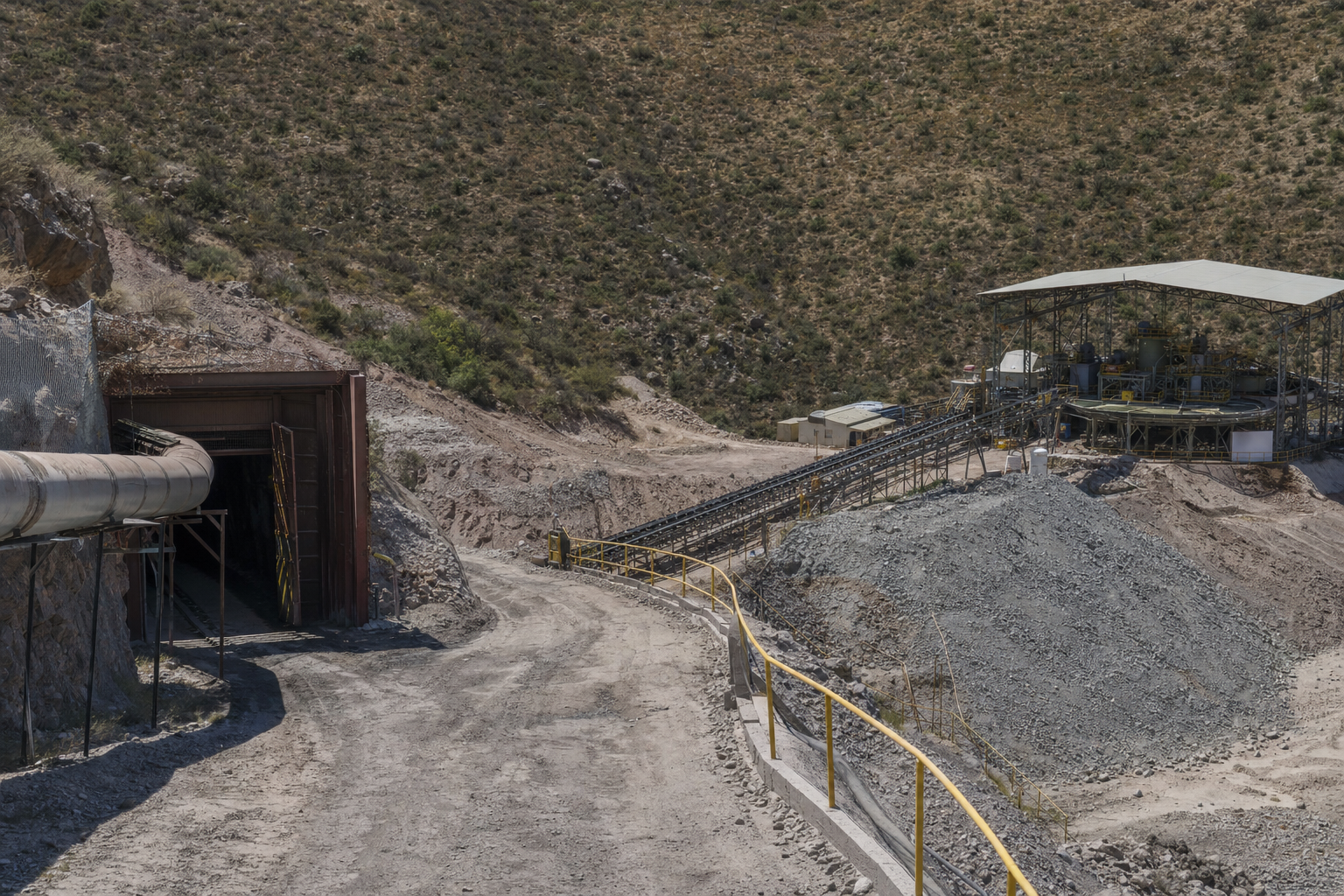
Cozamin is Capstone’s Mexican mine and the asset at the center of this transaction. While financial structuring details were not disclosed in the materials reviewed, the headline value frames the deal among this year’s notable mining corporate moves. For Luca, the acquisition adds scale in Mexico. For Capstone, the divestment aligns with a geographic refocus toward its South American and US platforms.
Strategic Rationale and Market Context
Mining companies continue to recalibrate portfolios toward regions and assets where they see the clearest operating synergies and capital priorities. Capstone’s decision to concentrate on Chile and the US follows this pattern, emphasizing depth in jurisdictions where it already has organizational and project pipelines. Divesting a Mexican mine simplifies that footprint and may free capital and management bandwidth for core developments.
For Luca, stepping into Cozamin strengthens its position in Mexico, adding a mine-level platform that can underpin future plans in-country. Consolidation of operating and near-operating assets within a single jurisdiction can provide logistical and administrative efficiencies, as well as clearer stakeholder engagement. Transactions of this nature also tend to reset asset-specific investment agendas, with new owners tailoring mine plans, sustaining capital, and exploration budgets to their own cost of capital and growth objectives.
Market participants will read the deal as another instance of active corporate reconfiguration in the base-metals sector. The price tag underscores that established mines with district potential continue to command meaningful valuations, even as producers and developers balance inflationary pressures, permitting timelines, and long-cycle capital decisions. While ownership changes do not necessarily alter near-term output, they can shape multi-year trajectories for sustaining investment and optionality around expansions or satellite targets.
Looking Ahead
With the agreement in place, attention will turn to execution: transition planning, regulatory consents where required, and the cadence of any staged payments embedded in an “up to $385 million” construct. The operational handover will be watched for signals on priorities under new ownership, including any adjustments to mine planning, cost discipline, and potential brownfield work.
For investors comparing exposure across the mining-equities value chain and the metals themselves, it is a reminder that corporate outcomes and operational strategies can diverge from spot metal dynamics; by contrast, allocated physical holdings reflect direct title to the underlying metal rather than company-level risks.