
August 23, 2026
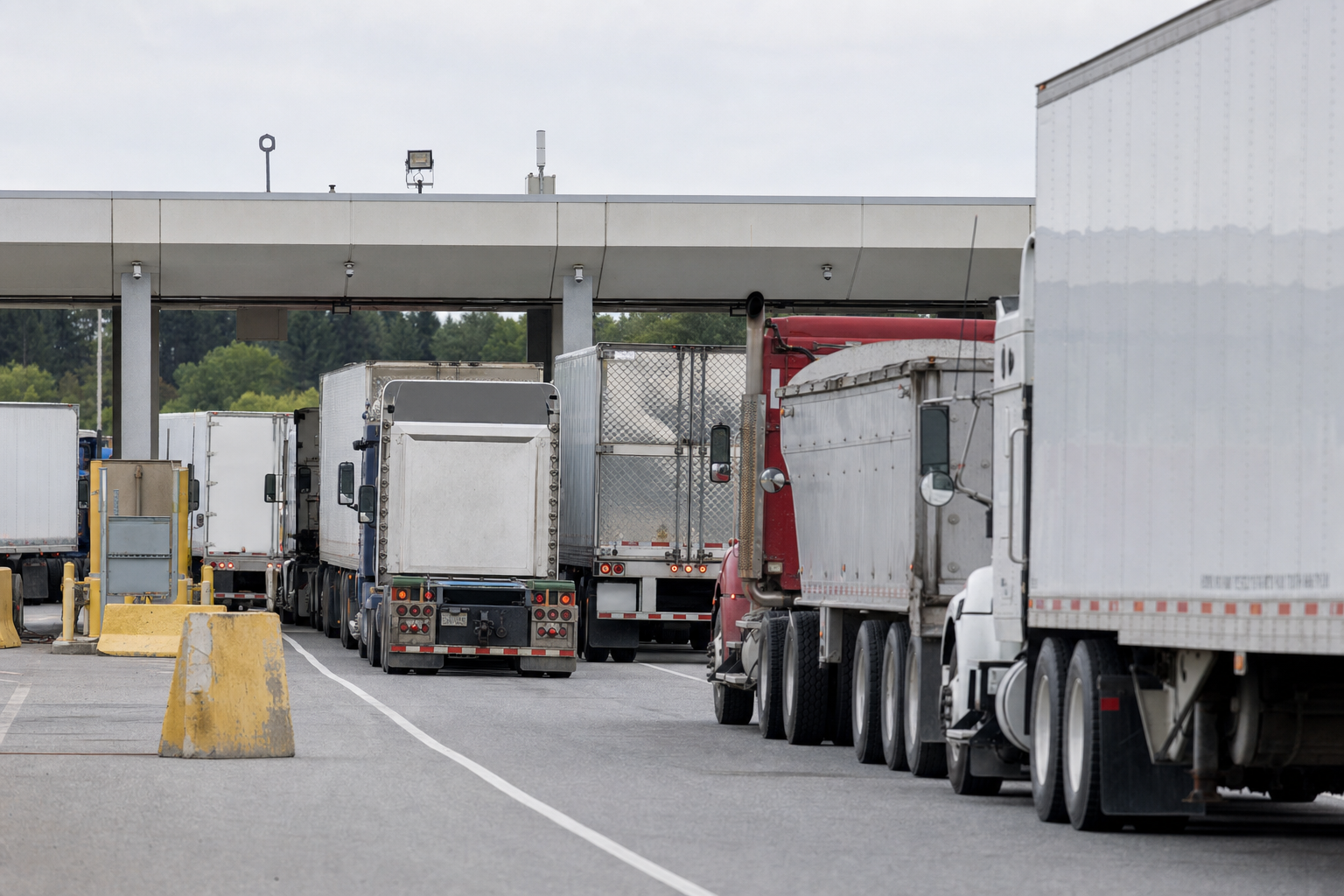
Ottawa Mirrors U.S. Tariff Measures
Canada said it will match U.S. tariffs dollar for dollar after trade talks between the two countries collapsed. The move shifts the bilateral posture from negotiation to reciprocal action and sets the stage for duties of equivalent value on targeted imports once measures are formalized. With cross‑border commerce deeply integrated across manufacturing, agriculture and services, the escalation introduces a new layer of policy risk for corporate planning and trade routing.
The breakdown in talks and the decision to proceed with tit‑for‑tat tariffs come at a time when North American growth has been relying on resilient household demand and investment in supply chains. Any widening of the tariff net would interact with existing logistical pressures, potentially affecting delivery schedules, working capital cycles and inventory strategies for firms that source and sell on both sides of the border.
Market Considerations: Growth, Prices, FX
Tariffs typically lift the landed cost of covered goods, raising the prospect of near‑term price adjustments within affected categories. For producers and distributors tied to integrated cross‑border supply lines, the pass‑through of higher input costs can compress margins or be partially reflected in output prices, depending on contract structures and competitive dynamics. Beyond the immediate scope of any measures, uncertainty alone can slow order placement and capital commitments as firms reassess exposure.
Financial markets will parse the growth–inflation mix implied by the new trade stance. Currency traders may face two‑way volatility as participants reassess relative terms of trade and risk sentiment around North American assets. Rate expectations are sensitive to how quickly any cost pressures filter into producer and consumer prices versus the potential drag on activity from disrupted trade. Transport, logistics and select industrials are positioned at the front line of any operational frictions stemming from revised tariff schedules and border processing adjustments.
Commodities And Metals Linkages
Canada–U.S. trade includes substantial volumes of industrial inputs and semi‑finished goods, with energy, forest products and a range of metals incorporated into cross‑border manufacturing. Tariff changes can alter sourcing decisions, shift flows between rail, road and sea, and influence regional premia and discounts as buyers and sellers re‑optimize supply. Even where specific commodities are not directly targeted, downstream sectors that consume those inputs can see cost structures and delivery timelines move, with knock‑on effects for procurement and hedging.
For precious metals, tariffs are not the primary driver of pricing, but episodes of policy and trade uncertainty can affect broader risk appetite and portfolio construction. In that context, the durability of real yields, currency moves and volatility across risk assets remain the more important channels to watch. Periods of trade friction also underscore that allocated physical bullion, vaulted in multiple jurisdictions, sits outside cross‑border payment and settlement systems.