
September 13, 2026
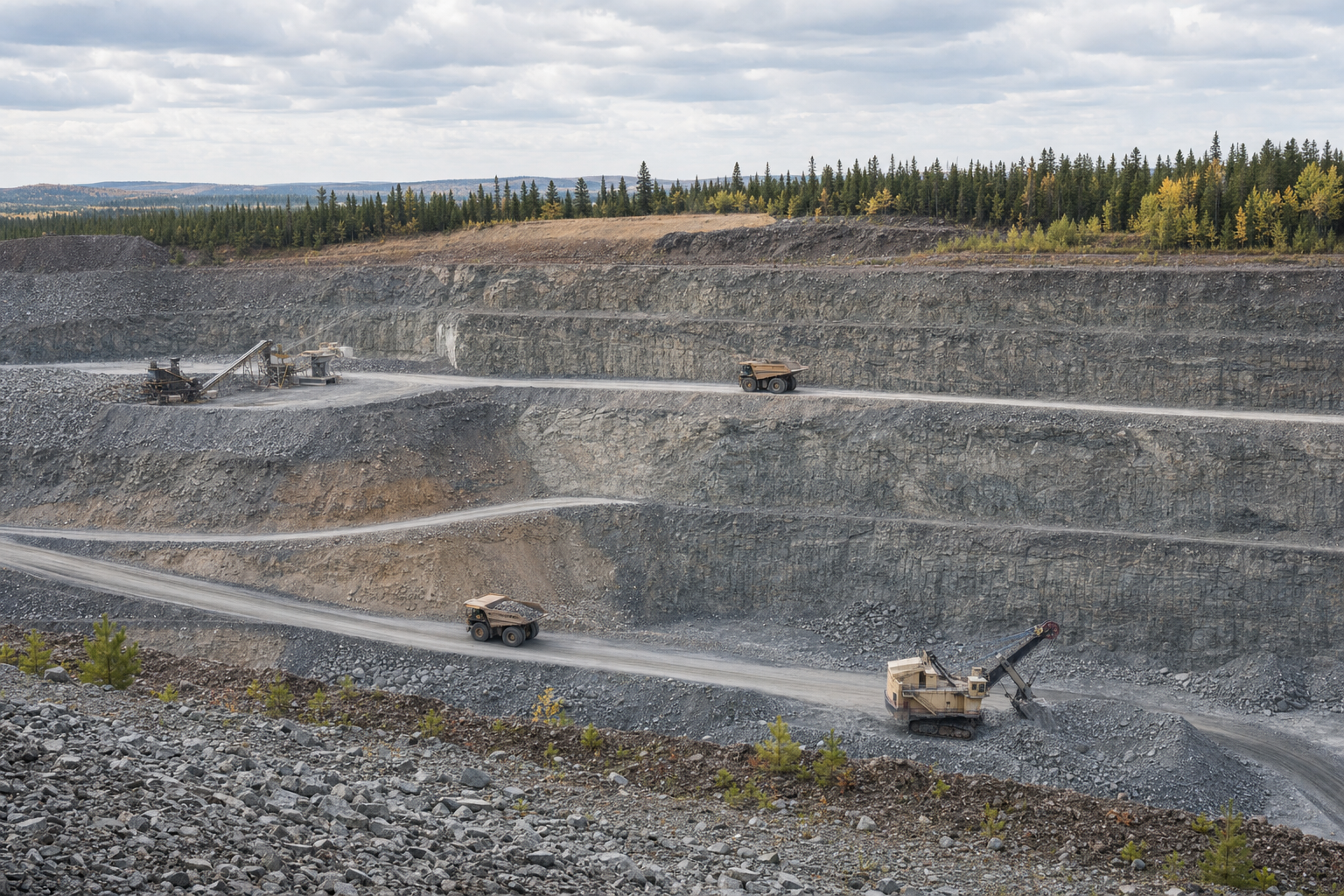
A new industry study highlights rising investment intentions for Canada’s mining sector as global demand for mined materials continues to expand. The assessment emphasizes Canada’s capacity to attract capital across the mining lifecycle, from advanced exploration and project development to sustaining investment at operating sites. While the analysis does not attach forecasts to individual commodities, it frames Canada as well positioned to capture incremental funding amid multi‑year demand trends.
Capital Flows And Project Pipelines
In periods of firm underlying demand, capital typically migrates toward producers with balance‑sheet flexibility and late‑stage developers advancing de‑risked projects. For Canada, that tends to translate into a deeper pipeline of feasibility work, procurement commitments, and targeted expansions at existing operations. Financing channels in such phases often include a blend of equity issuance, term debt, and alternative structures such as royalties and streams, with transaction mix shaped by cost of capital and project timelines.
At the same time, the pace at which investment converts into new supply is governed by familiar constraints. Permitting clarity, infrastructure availability, power access, water management, skilled labor, and contractor capacity all influence delivery schedules and execution risk. Cost inflation in equipment and consumables remains a variable to monitor, particularly for projects with high earthmoving intensity or complex processing flowsheets. These factors typically determine not only timing but also competitiveness on the global cost curve over the life of mine.
What Market Participants Are Watching
The near‑term evidence set for a rising investment cycle often includes an uptick in capital budgets at producers, firmer tendering activity for engineering and construction, and selective M&A to consolidate districts or add reserve life. Exploration spend can also stabilize or grow, particularly in districts with existing infrastructure where discovery can be tied more directly to development optionality. Offtake arrangements and long‑lead procurement decisions are additional markers that a project is transitioning from study to execution.
For portfolio risk management, the dispersion of outcomes across project stage and operator profile remains material. Balance‑sheet strength, access to funding, and execution track record are recurring differentiators through cycles. As global demand expands, Canadian assets may continue to feature in allocation decisions given the jurisdiction’s established operating base and service ecosystem, though individual project trajectories will still be shaped by site‑specific geology and permitting paths.
For readers tracking price exposure separate from corporate execution risk, allocated physical ownership of precious metals offers direct title to metal stored in professional vaults, independent of mining project and financing variables.