August 28, 2026
New Zone at Jerimum Cima
Cabral Gold has reported high‑grade results that point to a new mineralized zone at the Jerimum Cima target in Brazil. The discovery comes ahead of initial output and adds a fresh area of interest within the broader project footprint. While full technical details were not disclosed here, the characterization of grades as high and the identification of a distinct zone suggest additional potential beyond previously tested structures at the target.
For developers approaching first production, confirmation of new mineralization can be significant. It can expand the geological model, open up options for mine sequencing, and provide flexibility on the blend of near‑term feed. The timing—before output begins—also allows integration of new information into planning frameworks rather than retrofitting after start‑up. In practice, that can influence the location of early works, the focus of grade control, and the prioritization of access and services.
Project Planning Considerations
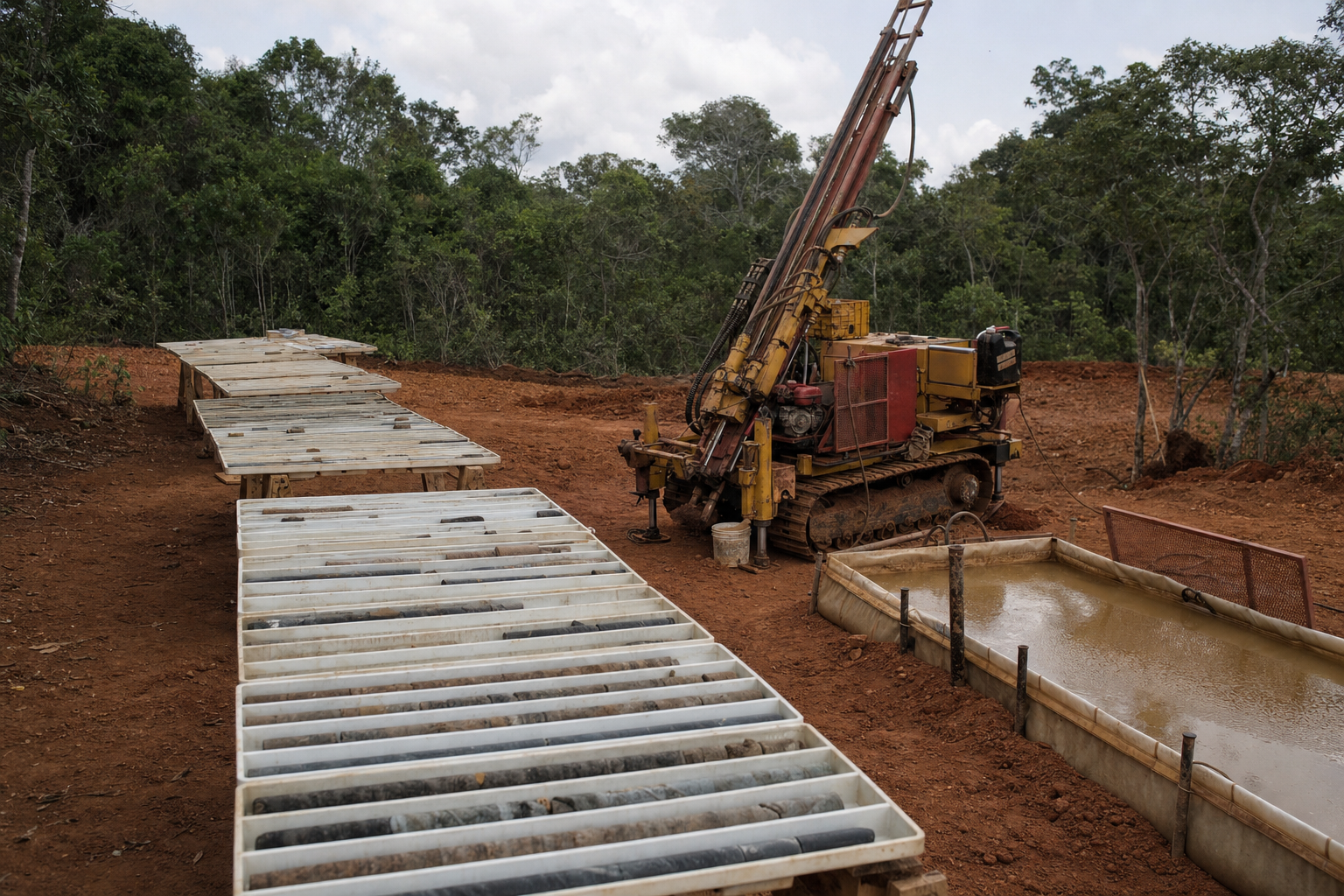
In similar settings, new zones are typically followed by step‑out and infill drilling to define geometry, continuity, and grade distribution. Core handling and logging feed into updated resource interpretations, and results can inform metallurgical testwork if mineralogy or alteration differs from existing domains. If confirmed and sufficiently continuous, an additional zone can impact mine design, including pit outlines or underground access, and may affect the timing of capital deployment across phases.
Operationally, new high‑grade areas often prompt a reassessment of early mine schedules, which can aim to balance grade, strip ratios, and process plant ramp‑up. On the processing side, material characterization helps determine whether flowsheet adjustments are warranted or whether existing parameters remain adequate. From a risk perspective, diversifying initial ore sources can mitigate start‑up variability, an important factor in the first quarters of production.
Financially, discoveries at this stage can influence discussions around funding and project de‑risking. While capital markets weigh scale, grade, and timing, clarity on how a new zone fits into the near‑term plan is central to valuation. Formal updates—such as resource statements or technical studies—often follow as datasets mature. Until then, the focus usually remains on delineation drilling, data integration, and engineering trade‑offs.
Next Steps
The immediate priorities generally include additional drilling to map the extents of the zone, incorporation of results into the geologic model, and assessment of how the new information intersects with mine planning for the run‑up to output. As those workstreams advance, attention turns to execution readiness: access, water and power logistics, and grade control protocols aligned to the refined orebody understanding.
For investors monitoring physical supply dynamics, incremental discoveries near start‑up have the potential to influence the cadence of project feed as operations commence. For those focused on metal ownership, allocated vaulted bullion offers exposure to the underlying commodity independent of individual asset execution.