July 28, 2026
Oil Pullback After Brief Return To $100
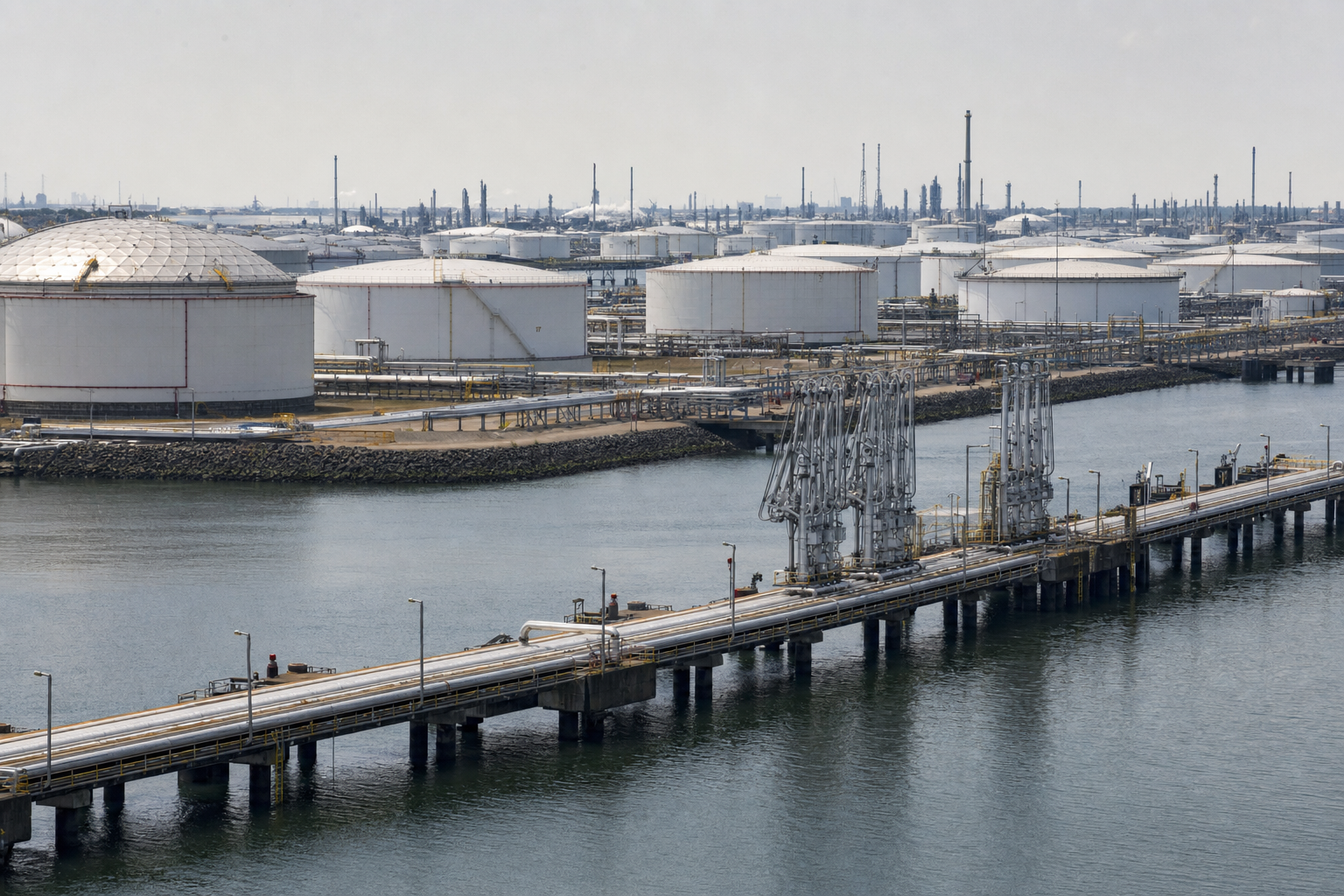
Brent crude touched $100 per barrel last week before easing as a weekend pause in U.S.–Iran hostilities tempered immediate escalation fears. The retreat has not resolved the larger uncertainty: the outcome of the war remains unclear, and supply risk continues to frame energy pricing. With markets still digesting the surge, the focus has shifted from the headline print to the fragility it revealed across risk assets.
Warnings about potential shortages in key energy commodities have added to the unease. Even as crude gives back part of its gains, the prospect of tighter supply conditions keeps volatility elevated. The combination of geopolitical risk and constrained energy balances leaves a narrow margin for error, particularly during peak demand periods and maintenance cycles.
AI’s Energy Burden Meets Price Volatility
At the same time, Big Tech’s AI buildout—framed around a $725 billion commitment—has amplified market sensitivity to energy inputs. Rapid expansion of compute capacity is power-intensive, tying forward operating costs more closely to electricity prices and, by extension, to primary fuel markets. When crude and other energy commodities swing, the knock-on effects for power procurement, data center operating budgets, and timelines for capacity additions become harder to model.
This linkage complicates equity risk assessments. Investors must weigh elevated capital outlays for AI infrastructure against the possibility that energy costs remain unsettled. The recent oil move, even if brief, served as a live test of that exposure, highlighting how quickly input-price assumptions can shift when geopolitical risk tightens supply expectations.
A More Cautious Market Tone
Last week’s rare pile-up of adverse developments, led by the oil spike, has dimmed the near-term outlook for stock markets. While crude has since softened, the episode underscored the vulnerability of broader risk sentiment to energy disruptions. With the conflict’s trajectory uncertain and commodity balances tight in places, extended turbulence remains a plausible base case for market conditions.
For now, price action suggests participants are recalibrating—not just to last week’s headline oil level, but to the broader regime of higher volatility transmitted from energy into rate expectations, earnings variability, and project economics. In that environment, balance-sheet strength and input-cost visibility command a premium, particularly in sectors scaling power-hungry infrastructure at speed.
Periods of cross-asset volatility have historically coincided with steady interest in fully allocated physical bullion as a neutral store of value independent of energy price swings.