August 21, 2026
Pilot Targets Copper in Legacy Mine Water
BHP and an MIT spinout are set to trial a copper recovery technology at a historic mine site in Arizona. Branded the Copper Cities pilot, the program aims to demonstrate that metal can be recovered from legacy mining water, positioning non-traditional streams as a potential contributor to domestic supply.
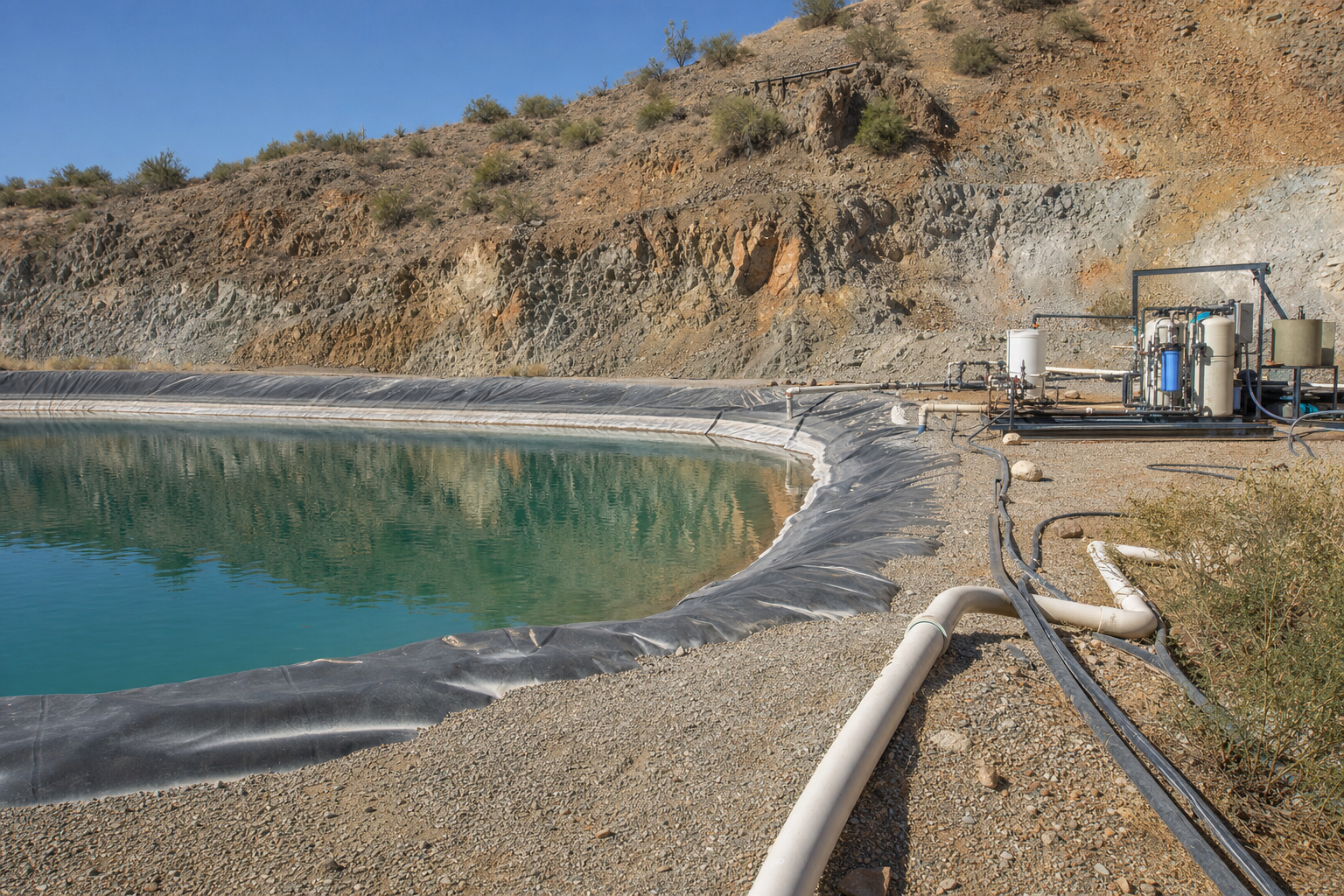
The initiative focuses on water impacted by past mining activity—often managed in ponds, adits or pit lakes—where dissolved copper persists at low to moderate concentrations. The pilot will test whether a novel extraction process can reliably capture copper from this water, concentrate it into a saleable intermediate, and do so within operational and environmental constraints typical of legacy sites.
While the project’s technical specifications were not disclosed, the objective is clear: validate recoveries and operating parameters that could support replication across similar sites. The Arizona setting provides both the target material and an established mining jurisdiction in which to assess permitting, handling and offtake logistics tied to water-derived copper.
Strategic Context for U.S. Copper Supply
Interest in recovering metals from mine-impacted water reflects two converging priorities: the search for incremental, domestic sources of critical minerals and ongoing efforts to improve the management of legacy mining liabilities. If effective at scale, water-based copper recovery could add a low-footprint stream of production, leveraging existing site infrastructure rather than opening new pits.
Arizona remains a core U.S. copper state with a deep inventory of historic workings. That legacy means numerous locations where water monitoring and treatment are routine. Converting a portion of that stewardship into metal recovery would align resource efficiency with site care, provided the process meets water-quality goals and regulatory standards.
For BHP, participation offers a pathway to assess a technology that could complement conventional operations or extend the value of closed or care-and-maintenance sites. For the technology developer, a field trial at an operating or historically significant location offers the data necessary to evaluate costs, uptime, selectivity and product handling under real-world conditions.
What to Watch Next
Key indicators will include demonstrated copper recovery rates, stability of performance across variable water chemistries, and clarity on the form and quality of the produced copper-bearing intermediate. Economic considerations—energy use, reagents and maintenance—will be central to scalability, as will integration with site water management plans and permitting frameworks.
If the pilot confirms technical and commercial viability, it may open a replication pathway across legacy sites in the U.S. Southwest and beyond, adding a niche but potentially durable source of copper.
For investors tracking physical metal markets, developments that diversify and localize supply can influence flows and inventories; allocated vaulted ownership remains a direct way to hold exposure to the underlying metal, independent of project outcomes.