September 10, 2026

Legal Challenge to Capital Overhaul
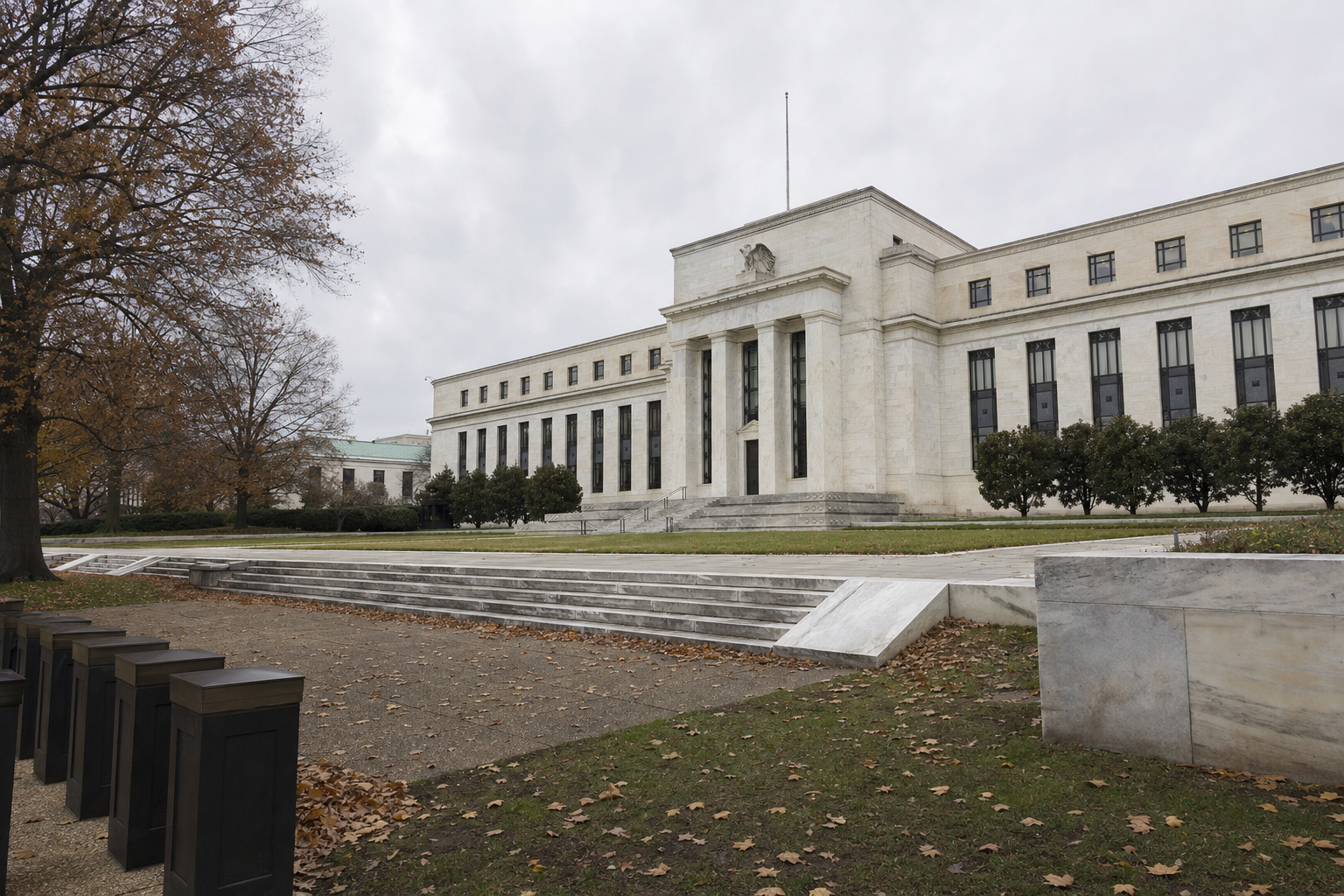
Washington-based nonprofit Better Markets has filed a lawsuit against the Federal Reserve, challenging the central bank’s planned overhaul of U.S. bank capital requirements. The legal action places a core element of the post-crisis regulatory architecture under judicial scrutiny and introduces a new source of uncertainty around the timing and contours of any final rule. Further details of the claims were not available at the time of writing.
While the litigation’s procedural path will unfold in court, its filing underscores the stakes around how much loss-absorbing capital banks must hold against on- and off-balance-sheet exposures. The contested overhaul aims to revise how risk is measured and buffered in the banking system, a domain that influences bank balance sheets, credit intermediation, and market-making capacity across asset classes.
Why Capital Rules Matter for Markets
Capital frameworks set the cushions that absorb unexpected losses and shape the relative economics of lending, trading, and underwriting. Changes to risk weights, capital buffers, or aggregation methodologies can alter banks’ incentives to hold certain assets, adjust trading inventories, or provide liquidity in funding markets. In turn, those shifts can affect credit pricing, issuance calendars, and the depth of secondary-market liquidity in instruments such as Treasuries, agency securities, corporate bonds, and securitized products.
For market participants, the sensitivity runs through multiple channels:
- Balance sheet composition: Recalibrated requirements can prompt reallocation across loans, securities, and hedges.
- Funding and term premia: Adjustments to capital intensity may filter into the cost and availability of wholesale funding and credit.
- Market-making and liquidity: Higher or differently structured capital charges can influence dealers’ capacity to warehouse risk, with consequences for bid-ask dynamics, turnover, and volatility transmission.
Uncertainty around rule design and implementation timelines can, by itself, shape risk appetite and compliance planning in the banking sector, with knock-on effects for issuers and investors. The lawsuit adds a legal dimension to that uncertainty, potentially affecting how and when any final framework is settled.
What to Watch
Key touchpoints now include the Federal Reserve’s regulatory communications, any parallel actions by other banking agencies, and the initial court docket that will determine scheduling and scope of review. Banks’ disclosures around capital planning, risk-weighted asset methodologies, and projected buffers will be closely parsed as institutions calibrate to potential outcomes.
Broader market responses tend to emerge via credit conditions, liquidity measures, and funding market behavior rather than a single headline indicator. For precious metals observers, shifts in perceptions of banking-system resilience and market liquidity are among the macro variables that historically intersect with demand for safe-haven assets and portfolio hedges, including allocated physical bullion.