September 20, 2026
Drilling Extends Near‑Surface Mineralization
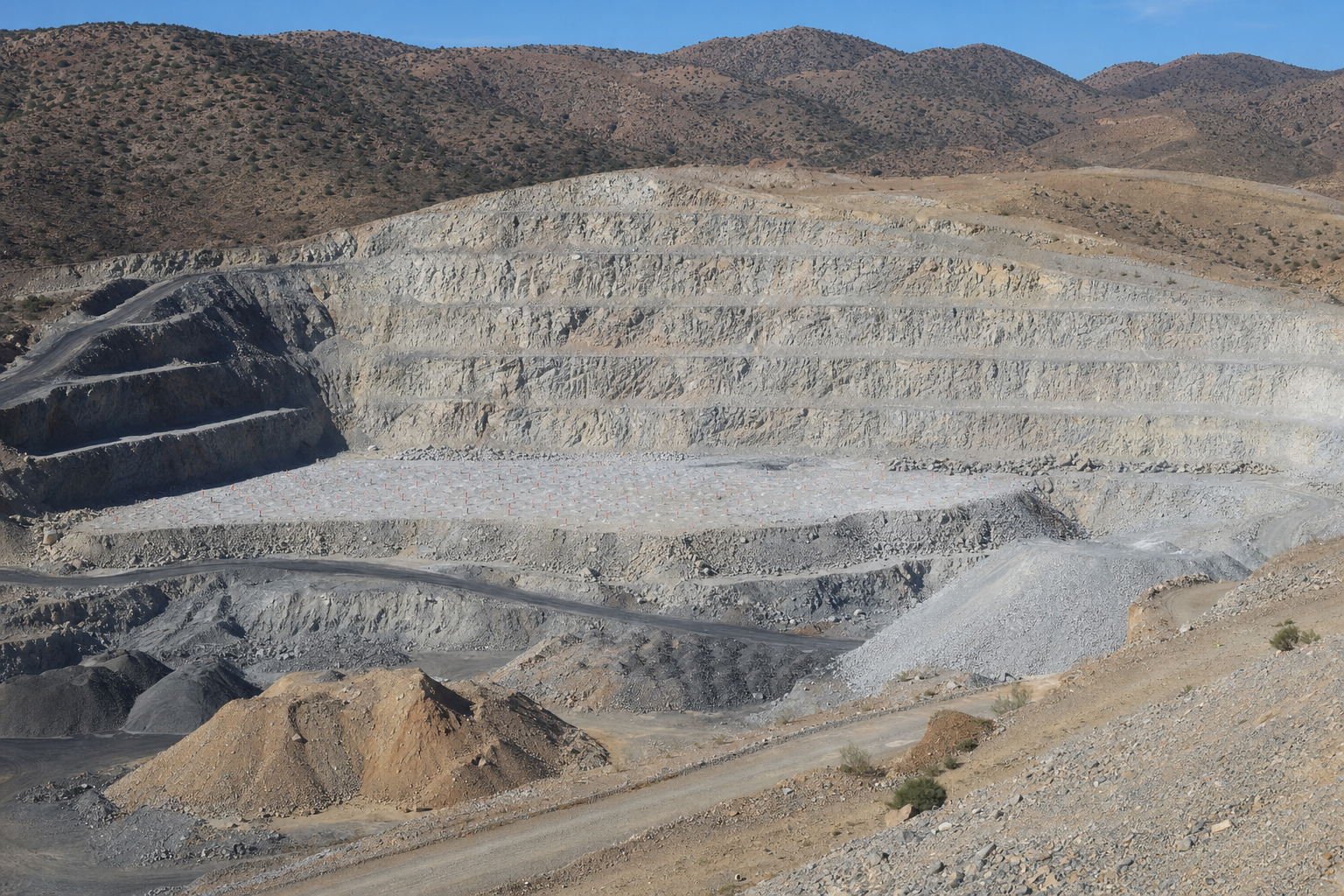
Aya has reported new drill results from the Zgounder mine in Morocco that add high‑grade silver at shallow depths. The latest holes expand the footprint of mineralization around the open pit and in the central portion of the mine area, indicating continuity of grade near surface.
Shallow, high‑grade intercepts at a producing mine site are typically significant for mine engineering and scheduling. In the vicinity of an open pit, positive drilling can tighten drill spacing, improve confidence in short‑to‑medium‑term extraction blocks, and identify additional lenses or extensions that may be accessible without deep development. The concentration of results in the central area and around the pit suggests the current campaign is focused on near‑mine growth rather than step‑outs into peripheral targets.
Implications for Mine Planning
While full economic impacts depend on grade, thickness and geometry, near‑surface mineralization generally offers optionality. Additional high‑grade material close to existing workings can support flexibility in sequencing, potentially allowing operators to balance grade profiles and manage operating constraints as mine plans evolve. In practice, such outcomes hinge on follow‑up drilling, geological modelling, and the interaction of any new zones with pit designs and existing infrastructure.
The emphasis on shallow results also informs the likely next steps. Mine‑site programs that return continuity around an active pit often proceed with targeted infill to convert material into higher‑confidence categories, coupled with select step‑outs to define limits. As models are updated, operators assess whether the added tonnes and grade align with established cut‑off assumptions and geotechnical parameters. If supported by subsequent work, these datasets can feed into periodic mine plan updates and reserve reconciliations.
What to Watch
Key milestones to monitor following a near‑mine drilling update include: additional assays that firm up continuity across sections; any commentary on how new intercepts tie into existing geological domains; and the timing of resource model refreshes. In open‑pit environments, indications of how new data might interact with pit shells, strip ratios, or scheduling blocks are also instructive. For underground areas beneath or adjacent to a pit, the geometry of mineralized shoots and their proximity to established access drives are central to assessing practical mineability.
Zgounder remains a focal point for silver output in Morocco, and near‑mine drilling success typically feeds directly into operational planning cycles at assets of this type. As the dataset grows, the balance between infill and step‑out drilling will shape how much of the new mineralization can be incorporated into short‑term extraction horizons versus longer‑term growth.
For readers tracking silver exposure beyond mining equities, allocated physical silver offers direct title to specific bars in secure storage, independent of individual producer outcomes.