September 21, 2026
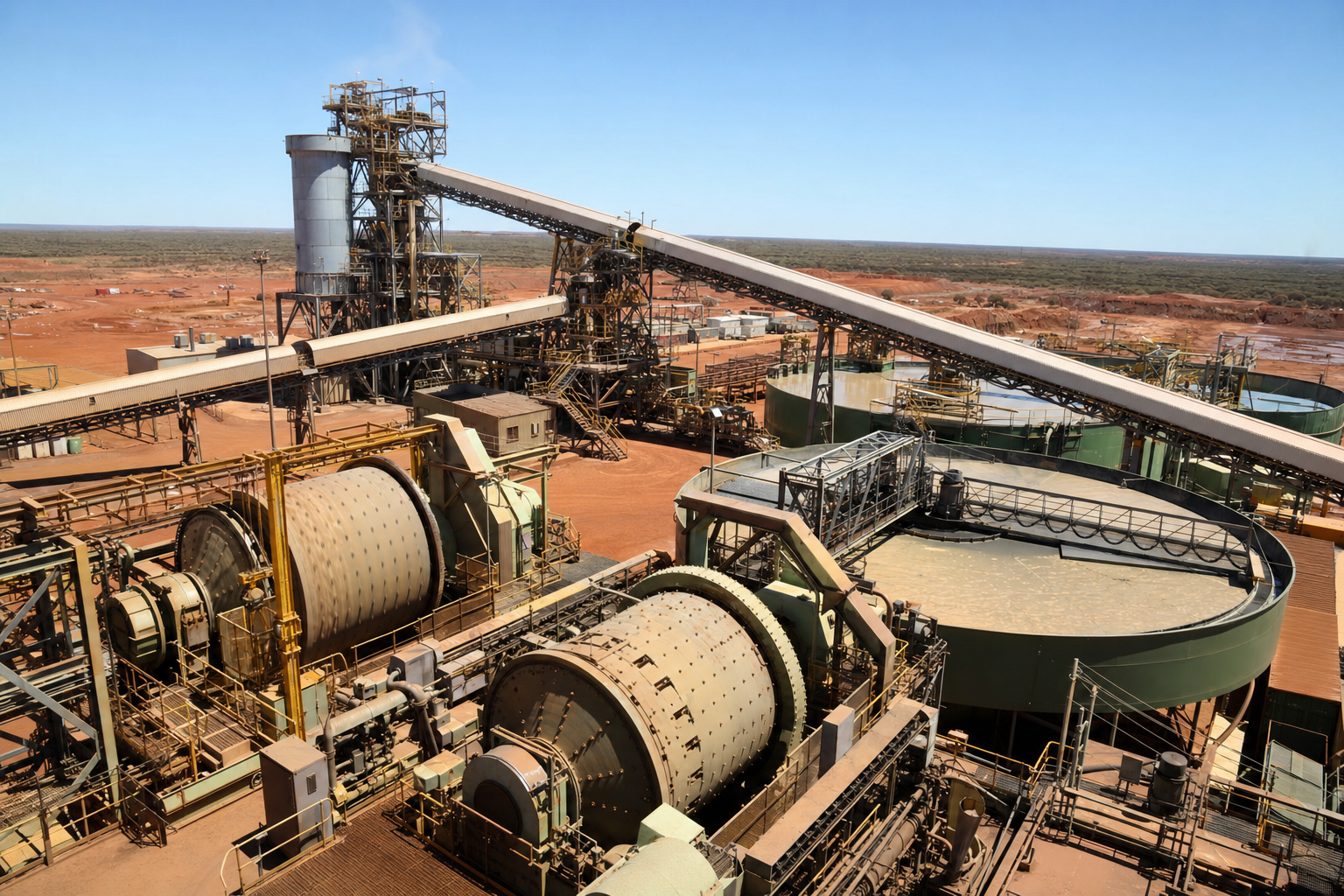
Australia’s gold production is holding close to its 10‑year average, keeping global mine supply broadly steady. The flat national tally comes ahead of a larger domestic expansion cycle, indicating that new capacity and productivity upgrades are building in the project pipeline while current operations maintain consistent run‑rates.
Steady Output, Predictable Flows
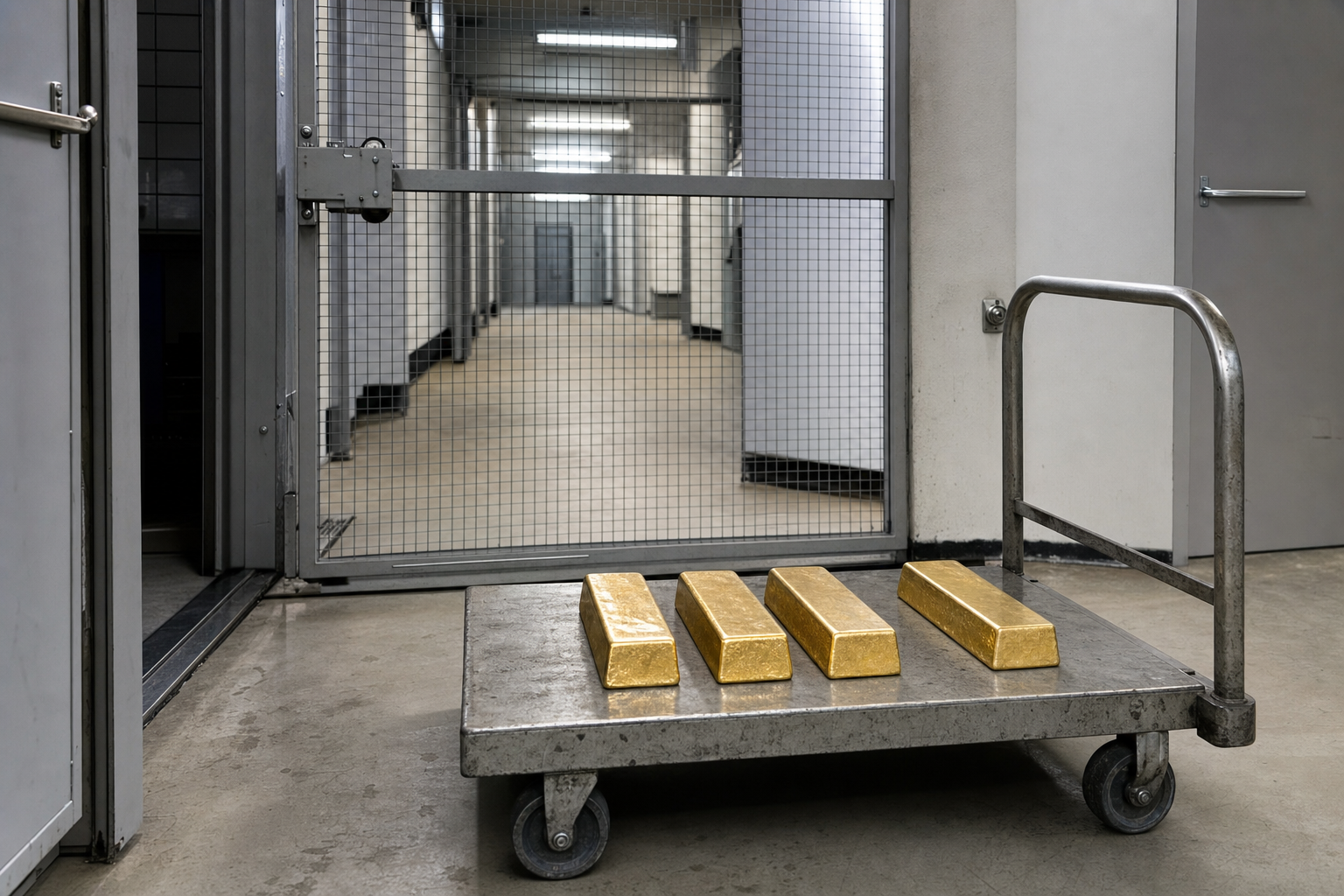
A production profile near the decade mean suggests continuity across Australia’s mature gold districts. For supply chains, that steadiness typically supports predictable dore shipments to refineries and regular export schedules, with fewer disruptions to smelter feed and logistics planning. In a sector where output can be sensitive to grade variability and maintenance windows, a stable national read‑through helps downstream counterparties align procurement and hedging calendars with less day‑to‑day volatility in physical availability.
Operationally, sustaining output over long intervals often reflects incremental efficiency gains at existing mines, portfolio optimization across multi‑asset producers, and disciplined mine sequencing. While individual sites may see quarter‑to‑quarter variance, a consolidated national result near the long‑run average points to offsetting dynamics across the asset base. Without lifting aggregate volumes meaningfully higher or lower, such balance tends to keep refinery utilization within familiar bands and supports continuity in regional freight and port allocations.
Expansion Cycle Taking Shape
The indication of a larger expansion cycle ahead signals a shift in the medium‑term supply picture. In gold, these cycles typically involve brownfield extensions, plant debottlenecking, and select greenfield startups reaching commissioning. Lead times can be substantial, reflecting permitting, engineering, power and water arrangements, and workforce mobilization. As projects advance, step‑ups in nameplate capacity and improvements in recoveries can add incremental ounces before full new-mine contributions register.
For contractors, equipment suppliers, and service providers, an expansion phase often brings a gradual lift in orders tied to fleet renewals, processing upgrades, and mine development. For refiners and logistics hubs, the transition from steady state to incremental growth tends to be phased rather than abrupt, with trial shipments and ramp‑up curves smoothing the impact on physical flows. The timing and scale of those additions remain contingent on execution milestones and site‑specific factors.
With Australia’s current output holding near its long‑term norm, the market enters this build‑out phase from a position of stability. That backdrop can moderate near‑term supply swings while new capacity is readied, keeping attention on project delivery timelines as the key variable for future volumes.
For holders of allocated metal, steady mine production is one element of overall availability alongside refining capacity, inventories, and logistics.